-
Resources for Inclusion
Online guides, downloadable resources and videos to support groups who want to be more inclusive
FREE DOWNLOAD: The Inclusion Spectrum and the STEPs tool for planning and adapting inclusive play.

‘Using One Page Profiles to Include All Children’ is a helpful guide from Scope for individuals or groups to think about using ‘one page profiles’ to support disabled children in their setting. In a short video four young people are introduced, and the ways they play together offer some good suggestions for ways to be inclusive. There is then information about each character in the video and the profiles they have created explaining what people like about them, what makes them happy and how you can help them. There are also links to a variety of templates and suggested activities to help young people complete their profile with you.
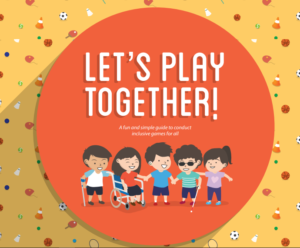
Let’s Play Together – this lovely guide to inclusive games from Singapore Disability Sports Council has some great ideas of adapted and brand new games to try.

Scope has produced a series of short online guides covering useful topics including:
Explaining the Social Model of Disability to children – using ‘Winnie the Witch’ by Valerie Thomas and Korky Paul
A series of books written by disabled young people telling their own story about how the live. These cover topics in a positive way and many have follow up activities. They can be downloaded as PDFs or you can request a FREE copy.
We also love this Pinterest Board which contains books which feature disabled characters.
The Disability Inclusion Toolkit ‘Enabling Inclusive Youth Work’ from MENCAP contains helpful resources covering: How to make play accessible, how to develop a sensory play area, adapting sporting activities and how to make group work/training inclusive. It also has some useful disability awareness information, an Inclusion Audit tool with action plan, and some informative cases studies.
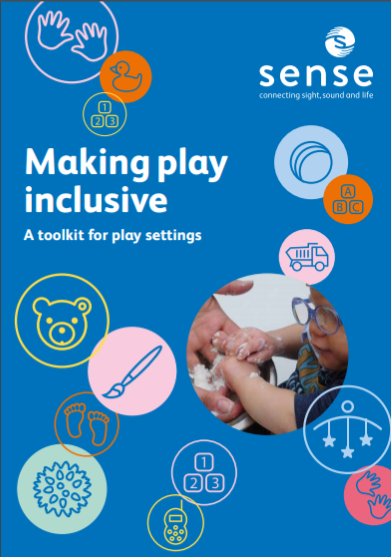
Making play inclusive ‘a toolkit for play settings’. This toolkit has been designed to help early years play providers and workers offer accessible play opportunities to children with multiple needs. It contains simple ideas, suggestions and practical tips on making play activities and settings more inclusive.
For some other great ideas check out these videos created by SENSE explaining difference experiences and how people’s actions can lead to inclusion or exclusion plus some helpful guides looking at different ways to adapt games, and other play activities to make them inclusive.
The Sensory Trust has some really simple nature activities which are lots of fun and inclusive of all children. They have also create a series of videos showing some of their Sensory Nature Hub activities which give great ideas for exploring nature with disabled and non-disabled children, including a wonderful game to learn about bees and pollination.
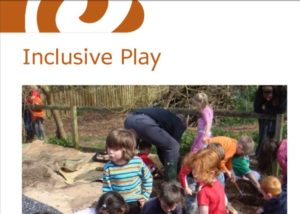
The Sensory Trust also offers guidance on creating outdoor play spaces that are inclusive of all children. The booklet can be downloaded as a PDF.
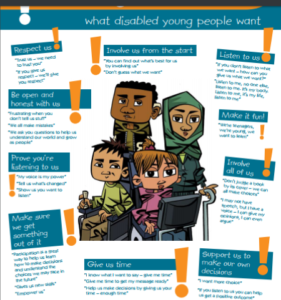
The Council for Disabled Children has a Participation Resources Hub with some useful guides on how to include disabled young people in your organisation including this poster which can be downloaded as a PDF. Their wider work seeks to ensure disabled children have the more opportunities through improving policies, provision and participation in local authorities, education, health and social care and the wider community.
The Activity Alliance has a range of guidance available as downloads and some videos to support sports clubs in welcoming disabled people and adapting activities to make them inclusive. They cover board topics such as participation and communication and also have a list of guides to making various sports inclusive of various groups of disabled people.
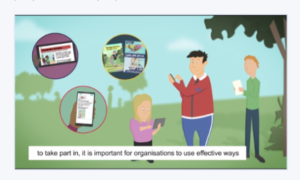
Many of their suggestions can be applied for wider activities. The Inclusive Communications Guide is a series of factsheets and videos that form a helpful resource for thinking about how you promote your group’s accessibility and inclusive ethos. Inclusive Communications is also explored in the video below.
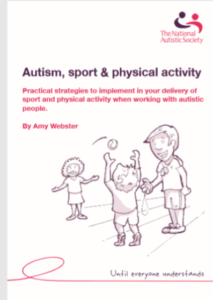 Created by the National Autistic Society this FREE dowloadable booklet summarises important information sports leaders might wish to know about working with autistic people and then gives practical suggestions. The guidance covers social communication, social interaction, social imagination and sensory strategies.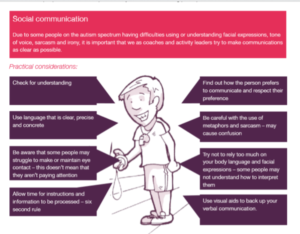
-
Factual Information
Information about Autism, Cerebal Palsy, Down's Syndrome, Communication Difficulties, Learning Difficulties, Sensory and Physical Impairments
Remember everyone is unique; being inclusive is about focussing on what someone wants to do when they visit your club or group rather than on their condition. This factual information may be useful to help you understand someone’s condition and make adaptations, make sure you ask the individual if you are unsure about anything.
Autism
Supporting autistic people with sport and physical activity
Scope – information about Autism
Cerebral Palsy
Scope is a charity that exists to make this country a place where disabled people have the same opportunities as everyone else.
Scope – information about Cerebral Palsy
Down’s Syndrome
Mencap – information about Down’s Syndrome
Learning Disability/Difficulties
Mencap – what is a Learning Disability?
Scope – information about Learning Difficulties
Communication Difficulties
Scope – information about Communication Difficulties
Talking Point – resources to support children’s spoken communication
Find out more about Gloucestershire Total Communication
A guide to Augmentative and Alternative Communication (AAC)
Communication Matters is a UK charity which values people who use any form of communication and promotes the individual’s right to participate in all aspects of life by using their most appropriate means of communication to express their thoughts, feelings, needs and desires.
Hearing Impairment
National Deaf Children’s Society – Understanding Deafness
Visual Impairment
Royal National Institute for the Blind – Key information about Blindness

- Home
- What We do
- -- A Guide to Short Breaks – Gloucestershire
- -- Short Break opportunities
- -- Neurodiversity Network
- -- Training opportunities
- -- Aiming High Network
- -- Inclusive Activities Award
- Inclusion Resources
- -- ‘Making Inclusion Happen’ Blog
- -- Our Top Tips Series of Inclusion Guidance
- -- Online Inclusion Resources and Information
- Support Us
- About Us
- -- The Active Impact Team
- -- Job Opportunities with Active Impact
- -- Our Policies
- -- Subscribe to our newsletter
- Contact Us


